NIST releases NIST26 mass spectral library with 35,000 new electron ionization spectra
The latest edition of NIST's mass spectral library, Standard Reference Database 1A, adds about 35,000 electron ionization spectra and 17,000 tandem spectra for identifying unknown substances.
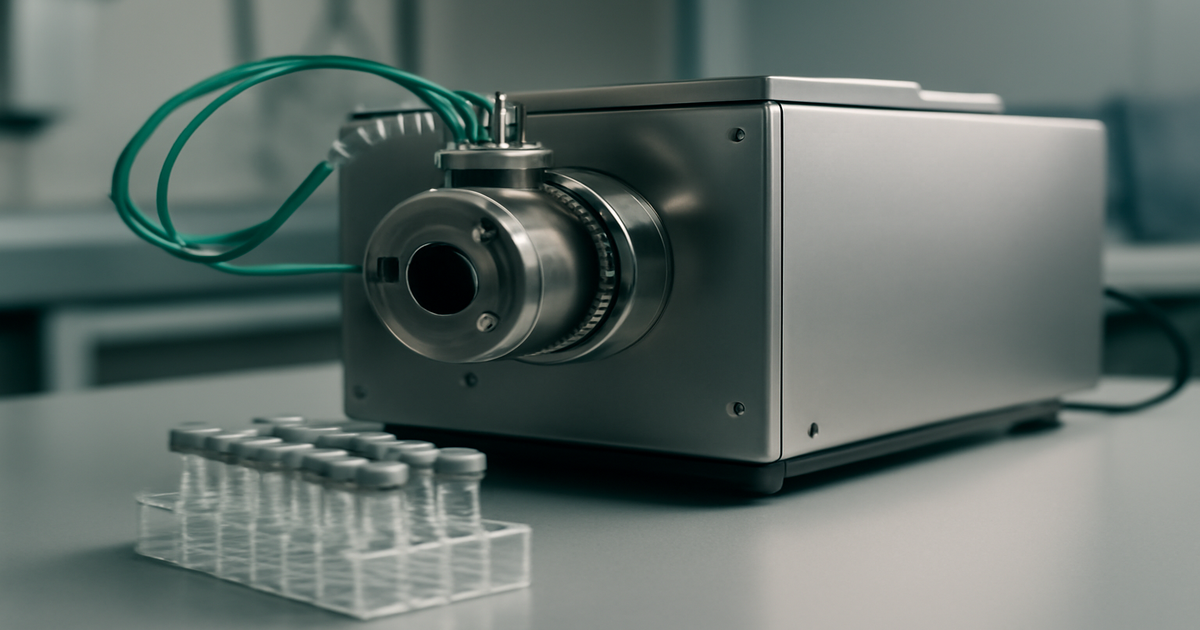
The U.S. National Institute of Standards and Technology released NIST26, the newest edition of its mass spectral library, on June 9, 2026. The library, catalogued as Standard Reference Database 1A and in use since 1988, is used to identify unknown substances in food, pharmaceuticals, cosmetics, environmental samples and even space rocks.
The new edition adds about 35,000 electron ionization spectra, bringing that library to more than 382,180 entries, and 17,000 tandem spectra, for a total of 68,635, according to the agency. The electron ionization library covers compounds that vaporise readily, while the tandem library is used for non-volatile compounds dissolved in liquids.
Mass spectrometers ionise and fragment a compound and sort the pieces by mass-to-charge ratio, producing a bar-graph-like spectrum unique to that compound. Bill Wallace, leader of the NIST Mass Spectrometry Data Center, likened matching an unknown spectrum against the library to comparing DNA.
NIST describes the collection as one of the largest mass spectral databases in the world. It comes preloaded on many commercial mass spectrometers and can also be purchased through instrument manufacturers or independent distributors, and its quality is verified through software-based evaluation procedures. NIST has maintained the library for decades; further information is available at chemdata.nist.gov.