NIST says Surfside tower collapse began at two pool deck connections weeks before the failure
NIST's National Construction Safety Team concluded that the 2021 partial collapse of Champlain Towers South, which killed 98 people, started when two connections between a parking garage column and the pool deck failed in early June 2021.
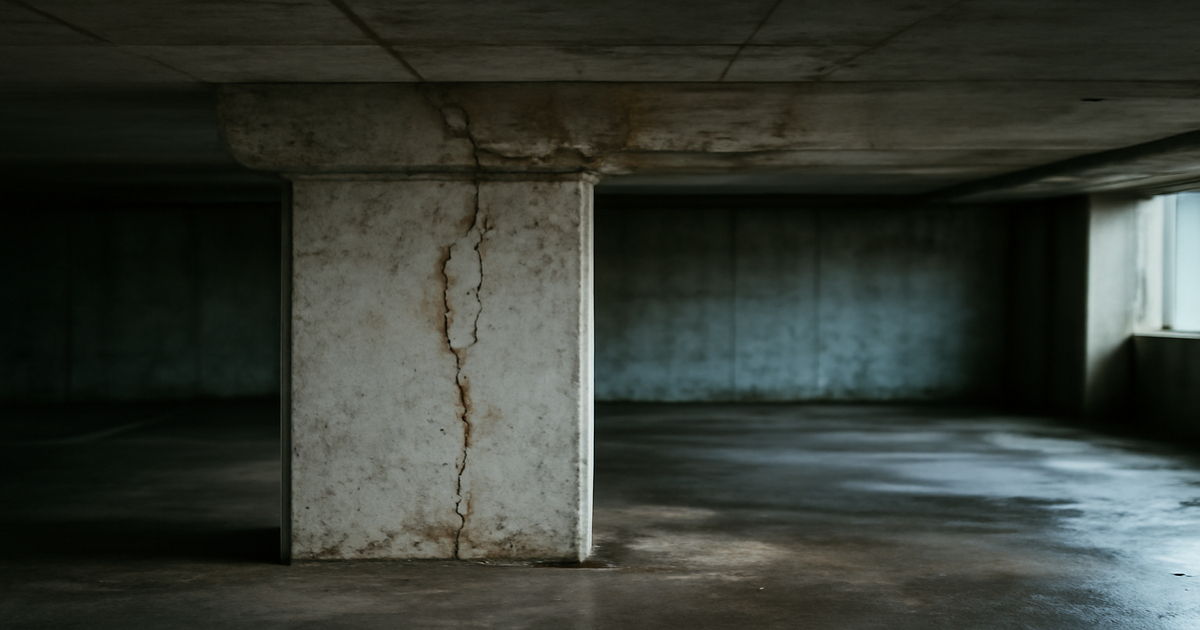
The partial collapse of Champlain Towers South in Surfside, Florida, began roughly three weeks before the building came down, when two connections between a parking garage column and the pool deck failed in early June 2021, the National Construction Safety Team at the U.S. National Institute of Standards and Technology said in technical findings released on June 22, 2026. The collapse on June 24, 2021, killed 98 people.
According to NIST, cracking then spread over the following three weeks as loads were redistributed onto neighbouring slab-to-column connections. The pool deck slab pulled away from the supporting wall on the south side and separated from the central section of the building at the north, and the collapse spread from there. The building, completed in 1981 and about 40 years old at the time, was made up of west, central and east sections; the failure started in the central section and progressed into the eastern section.
The team said the margin against failure was narrow primarily because of widespread deviations in the original design from the codes and standards in force at the time, limitations in those standards themselves, and construction that differed from the design drawings. Loads added during the building’s service life, including a pool deck renovation, and long-term deterioration from corrosion further reduced that margin, NIST said.
Investigators reviewed 24 collapse scenarios and ruled out a series of alternative explanations, among them vibration from nearby construction, foundation failure, a sinkhole or settlement, hurricanes and storm surge, impact loads such as a dropped crane load or an explosion, and accidental overloading from roof work under way at the time of the collapse.
The findings rest on analysis of physical evidence and records, interviews with survivors and others involved with the building, materials testing, geotechnical investigation, fabrication and testing of building components, and computer modelling. Investigation co-leads Judith Mitrani-Reiser and Glenn Bell presented the results in a video, and NIST also published an NCST Insider video featuring materials science project co-lead Ken Hover.
The investigation began days after the disaster, with NIST working alongside first responders to preserve evidence without interfering with search and rescue, the agency said, and preliminary results and progress updates were released several times along the way. NIST said it will now concentrate on the final report, which will set out the evidence analysis, test results and computational modelling together with recommendations for improving standards, codes and practices and identifying where further research is needed.